
Sponsors
- ChatSex.xxx
- Pornito
- Sexy VR Babes
- Teen cams
- Rabbits Cam Girls
- Pornfaze XXX Videos
- Best Soft Porn Sites
- Nude Babes
- Homemade Porn
- Porn Pic
- Amateur Porn
- Selena Green Vargas
- Xhamsterlive
- Sex Cams
- Hot Babes
- The Porn Map
- Nude Selfie Girls
- UK Porn Models
- 4K VR Porn
- Comics Porno
- Onlinestars.Net
- Teen Cams
- Comics Porno
- VR Porn
- Best Porn Discount Sites
- Teen Porn Clips
- Free Nude Videos
- Teen cams
- Girls
- Babes And Girls
- Sexy Girls
- Sexy Babe Blog
- TabooDude
BABES AND BITCHES
From Innocence to Empowerment: The Evolution of Playboy Playmates from the 1960s to the 2000s
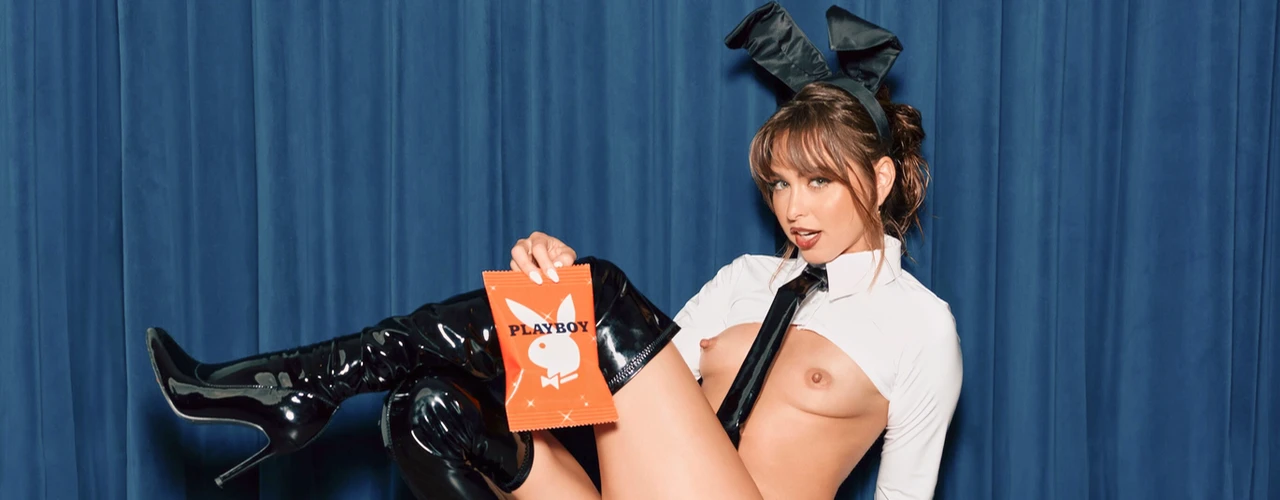
Few cultural symbols have reflected the changing face of American beauty and sexuality as clearly as the Playboy Playmate. For more than half a century, the women who appeared in Playboy’s pages mirrored the hopes, values, and fantasies of their time. From the soft, romantic allure of the 1960s to the digital-age glamour of the 2000s, the Playmate evolved alongside society itself — adapting to shifting ideas about femininity, freedom, and fame.
What began as a bold experiment in 1953 became one of the most recognizable and enduring icons of modern media. The Playmate wasn’t just a model; she was a cultural mirror.
The 1960s: The Birth of the Modern Muse
In the 1960s, Playboy was more than a magazine — it was a manifesto for a new way of life. America was emerging from the conservatism of the 1950s, and the world was beginning to talk about sex, art, and individuality in ways it never had before.
The Playmates of this era were, in many ways, the embodiment of that awakening. They represented the girl next door — natural, approachable, and effortlessly charming. Their beauty was soft and accessible rather than intimidating. Each profile introduced readers to not only her appearance but her personality — her ambitions, hobbies, and favorite books.
Playmates like Jo Collins, Allison Parks, and Connie Mason were presented as more than subjects of admiration; they were modern women, confident and curious about the world around them. Hefner’s genius was to frame sensuality not as taboo but as a natural part of sophistication.
Photography in the 1960s favored warm lighting and gentle curves, emphasizing femininity over provocation. The result was a look that felt revolutionary precisely because it was honest. These women didn’t apologize for being seen — they celebrated it.
The 1970s: Confidence, Rebellion, and Freedom
By the 1970s, America had changed — and so had Playboy. The sexual revolution was in full swing, feminism was rewriting gender roles, and the counterculture had shattered old moral boundaries.
The Playmates of the 1970s reflected that newfound freedom. They were bolder, more self-assured, and more diverse in style and personality. Their pictorials often had themes that reflected individuality — from bohemian artists to sports enthusiasts. It was the decade when Playboy stopped presenting women as fantasies and started portraying them as fully realized people.
Women like Marilyn Cole, the first British Playmate of the Year in 1973, and Patti McGuire, the 1977 winner, became symbols of female autonomy. They posed not to please, but to express. They spoke about ambition, independence, and control over their image.
This era also marked Playboy’s expansion as a lifestyle empire. The Playboy Clubs, Playboy After Dark, and the Los Angeles Mansion transformed the brand into a global phenomenon. The Playmates became ambassadors of the Playboyideal — intelligent, stylish, and free-spirited women who embodied the glamour of the age.
The 1970s Playmate wasn’t rebelling against society; she was redefining it.
The 1980s: Glamour, Fame, and Power
The 1980s brought excess — in fashion, in entertainment, in life. The world was louder, brighter, and unapologetically ambitious, and so were the Playmates. Playboy adapted to the decade’s aesthetics: big hair, glossy lipstick, and cinematic lighting.
This was the age of the celebrity Playmate. Women like Shannon Tweed (Playmate of the Year 1982) and Karen Velez (Playmate of the Year 1985) embodied the decade’s fascination with fame and luxury. They weren’t just models; they were stars.
Playboy pictorials became more polished and theatrical, often resembling film sets. The photography celebrated perfection — the kind of beauty that felt larger than life. Yet beneath the glamour was a message of empowerment: women could be successful, sexual, and sophisticated on their own terms.
The magazine itself was at its peak — with circulation exceeding seven million, global editions, and a growing presence in television and entertainment. The Playmate had become a mainstream icon, appearing in films, commercials, and late-night talk shows.
The 1980s also saw a subtle shift in how Playmates were portrayed. They were no longer framed as simply desirable — they were aspirational. Their confidence, careers, and independence reflected the changing role of women in society.

The 1990s: Personality and Pop Culture
If the 1980s were about spectacle, the 1990s were about personality. As pop culture diversified, Playboy began celebrating women who were distinctive — women who had something to say.
This was the era when Playboy and Hollywood became fully intertwined. Anna Nicole Smith (Playmate of the Year 1993) captured the decade’s blend of vulnerability and power. Jenny McCarthy (Playmate of the Year 1994) turned her Playboyfame into a mainstream media career, using her wit and humor to reinvent the Playmate image.
The 1990s Playmate wasn’t just photographed; she was heard. Playboy interviews and features increasingly focused on their ambitions, their creative pursuits, and their public voices. The era’s models often spoke about entrepreneurship, acting, or design — turning sensuality into a launching pad rather than a label.
Visually, the magazine adapted to the era’s aesthetics — less airbrushed perfection, more realism and attitude. The Playboy woman of the 1990s was spontaneous and self-aware, part supermodel, part rebel.
This was also when Playboy began to fully embrace diversity, featuring Playmates from a wider range of ethnicities and backgrounds. The definition of the “Playmate ideal” expanded — it became less about conformity and more about charisma.
The 2000s: Reinvention in the Digital Age
The new millennium brought new challenges. The internet had revolutionized media, and Playboy was no longer the only platform where audiences could see glamour photography. But rather than fade, the brand evolved — and so did the Playmate.
In the 2000s, the Playboy Playmates became a hybrid: part model, part media personality, part entrepreneur. The success of The Girls Next Door, the reality TV series that showcased life at the Playboy Mansion, reintroduced the Playmate legacy to a new generation. Models like Holly Madison, Bridget Marquardt, and Kendra Wilkinson became television stars, blending innocence, humor, and charisma.
The Playmates of this era were digital natives. They used social media, websites, and television to build their personal brands — long before “influencer” was a word. They were savvy about image, marketing, and media exposure.
Photographically, Playboy shifted toward artistic storytelling and cinematic production, sometimes echoing high-fashion editorials. The women were presented not only as icons of desire but as modern muses — global, independent, and self-directed.
The 2000s Playmate was no longer just a model chosen by editors; she was a collaborator, often contributing creative ideas and shaping her own narrative. The power dynamic had shifted entirely — from muse to creator.
From Pin-Up to Cultural Icon
Looking back, the journey of the Playboy Playmate from the 1960s to the 2000s tells a much bigger story — one about how society’s understanding of femininity evolved.
In the 60s, the Playmate introduced America to the idea of open sensuality. In the 70s, she symbolized liberation. In the 80s, she embodied glamour and ambition. In the 90s, she found her voice. And by the 2000s, she took control of her image entirely.
Through every decade, the Playmate remained a mirror of the times — shaped by shifting aesthetics, technology, and politics. But what never changed was the essence: confidence, individuality, and the quiet power of being unapologetically seen.
The Playboy Playmate began as a muse but became a movement. She bridged the gap between fantasy and reality, proving that sensuality could evolve — that beauty, like society itself, is never static.
And as each generation of Playmates passed the torch to the next, they left behind more than photographs. They left behind a legacy — of freedom, reinvention, and the courage to define womanhood on one’s own terms.
Other great posts in 'Babes' topic
- 01 Sep 2026 - Was einen wirklich spannenden Sexchat ausmacht
- 30 Sep 2025 - How to Take Nudes You Will Love to Look Back On
- 28 Aug 2025 - AI Pornography vs Traditional Content: What's Really Different?
- 22 Jul 2025 - Late Night Chats Just Got Juicier with NSFW AI Chat
- 30 Sep 2024 - Premium Porn Site Reviews on RabbitsReviews







Our models bring a youthful vitality to every photo shoot, and they represent a broad range of shapes, sizes, colors, and types. We bring you high resolution photos that show you every detail of the model, and sensual shots in high definition.
You know what is the best? You'll get new, hot naked girls and the world's newest erotic women every day for FREE. Try babesaround.com and you will definitely love it!
babesaround.com is the home of the best sex, milf, teen and big boobs pictures. We update daily with exclusive galleries featuring the top pornstars in the world, just for you. Bringing you all the best, quality pornstars and amateur chicks. These slutty babes will do pretty much anything on camera for you to see, so Bookmark Us now and come back to see more porn girls in various positions and erotic locations!